
Tips, Tails & Life with Dogs

Practical advice, helpful resources, and insights from the PAWS Dog Camp team to help your dog live a happier, healthier, more playful life.

From helpful dog care tips and training advice to breed spotlights and life at PAWS, our blog is here to help you better understand, care for, and enjoy life with your dog. Explore practical advice, useful resources, and a little behind-the-scenes fun from the PAWS Dog Camp team.

Close-up of an apricot Poodle with a curly coat.

Dog Breed of the Month: Poodles

  If you’re looking for an energetic, kid-friendly, intelligent four-legged new member for your family, you should consider a poodle. While you may think of poodles as a Best-in-Show dog breed, they are so much more than just a beautiful dog. Poodles have a long history as water

Read More »
Black-and-white photo of an older dog resting beneath a chair.

How to Care for an Older Dog

Your canine pal is a key part of your family life. While it can be sad to think of them growing old, it is an entirely natural process. That said, when considering dog health care, there are some helpful tips to employ and early signs that can warn

Read More »
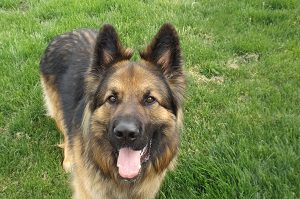
German Shepherd standing on a grassy lawn with its tongue out.

Dog Breed of the Month: German Shepherds

If you’re looking for a smart, courageous and active new member for your family, you should consider the German Shepherd. They are often referred to as the true “dog lover’s dog.” Their superior intelligence makes them easy to train and they do well in households with children. In

Read More »
Two puppies sitting on the grass and looking upward attentively.

7 Essential Commands for Your Dog to Learn Now

One of the first questions to cross a new dog owner’s mind is how to train your dog. I like to think of this process in two phases. First, and most critically, should be teaching your new pup the essential commands that will help keep him safe in

Read More »
Tricolor Beagle lying on the grass and looking toward the camera.

Dog Breed of the Month: Beagles

Beagles are a member of the Hound Dog family, a class of dogs historically tasked with tracking and hunting. Beagles, as we know them today, can be traced back as far as 1800’s England where they were primarily used to flush out rabbits. Their heritage has been etched

Read More »
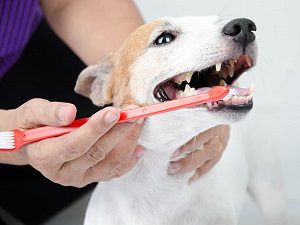
Person brushing a small dog’s teeth with a red toothbrush.

Brushing Your Dog’s Teeth: Oral Care for Canines

According to a study from 2013, 78% of dogs above age three suffer from bad breath, making it the most common health problem affecting dogs. While the prevalence of oral health issues is quite alarming, what’s more concerning is that a significant number of owners have not taken

Read More »
Rottweiler running across a grassy yard.

Dog Breed of the Month: Rottweilers

Rottweilers are a member of the Working Breed Group. Like most members of this group, Rottweilers are uncommonly intelligent and loyal. Other shared traits include their large size and formidable strength. The rottweiler’s history can be traced back to early Roman times where they were originally bred to

Read More »
Small puppy squatting on a grassy lawn.

How to Potty Train Your Puppy

Figuring out how to potty train your dog fast isn’t easy and will require some hard work. While it can appear to be a daunting and arduous task, potty training a puppy can be manageable with persistence and consistency. You’ll find that establishing a routine is key when

Read More »
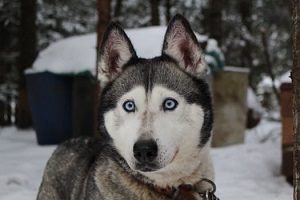
Blue-eyed Siberian Husky standing outdoors in the snow.

Dog Breed of the Month: Siberian Huskies

If you shouldn’t judge humans by their physical appearance, you also shouldn’t love a dog based on their coat. However, it’s hard not to fall in love with a Siberian Husky, which has one of the most gorgeous, thick coats among the many dog breeds. Affectionate and kid-friendly,

Read More »
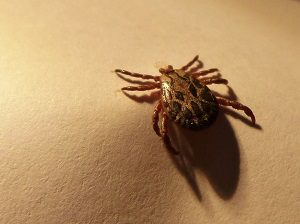
LymeDisease-1-300x224-1.jpg

Lyme Disease and Your Dog: Prevention and Treatment

For canine aficionados, our dogs are the best companions when walking and enjoying the outdoors. While we love their contagious energy, it also means they need regular exposure to their natural environment. Unfortunately, this very same seemingly safe milieu is the source of one of the most common

Read More »