
For canine aficionados, our dogs are the best companions when walking and enjoying the outdoors. While we love their contagious energy, it also means they need regular exposure to their natural environment. Unfortunately, this very same seemingly safe milieu is the source of one of the most common illnesses that affect man and his best friend: Lyme disease.
The good news is, Lyme disease in both humans and dogs is both easily preventable and highly treatable. As long as you know what is Lyme disease in dogs, the signs to look out for and various treatment options, you are your canine best friend should be just fine.
What is Lyme Disease in Dogs?
Lyme disease in dogs is caused by the bacteria Borrelia burgdorferi (Bb) found in ticks. It is an infectious, vector-borne disease that is prevalent in areas of the United States with high human and pet populations, such as the Pacific coast, the Northeast and the Midwest. The disease is transmitted when the Bb-carrying ticks feed on animals.
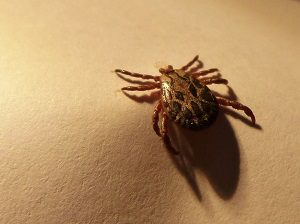
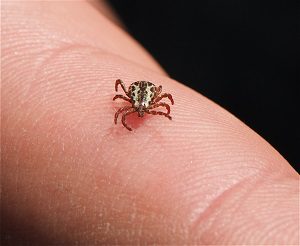
Lyme disease is common in dogs because these bacteria-carrying ticks are so tiny they are difficult to notice. The disease will only affect your dog if the tick is attached to it for about 48 hours. If within that period of time, a tick dies or is removed from the potential host, the Bb bacteria it could be carrying will not be transmitted.
Because every fun minute our dogs spend with Mother Nature renders them increasingly vulnerable to ticks, we must be well-informed and take some precautions to protect them from tick-transmitted diseases.
Symptoms of Lyme Disease in Dogs
So how do we know if our beloved pets have been preyed upon by these microscopic Borrelia-borne disease-carriers?
Lyme disease symptoms in dogs include a sudden onset of arthritis, lameness, loss of appetite and weight, and lethargy. What makes Lyme disease challenging for some people to detect and address is that the symptoms appear only in 5-10% of affected dogs. So your dog could actually be breeding Lyme (first discovered in Lyme, Connecticut in 1975) without you knowing it.
According to the Center for Disease Control and Prevention (CDC), signs of tick-borne diseases may not appear for 7-21 days or longer after a tick bite, so do closely monitor your dogs if you think they have been bitten by a tick.
It would be wise to contact your veterinarian immediately if your dog is experiencing any of these symptoms. If left untreated, Lyme disease could lead to kidney failure. Warning signs of a more serious condition include vomiting, thirst, diarrhea and increased urination.
Preventing Lyme Disease
The best way to prevent Lyme disease from affecting your dogs is to keep them from roaming around in tick-infested areas where this illness is common. If possible, avoid these environments especially during periods when ticks are most active.
On a daily basis, check your dog’s coat and tail for ticks. Try to remove them all by hand. Note that ticks carry other diseases besides Lyme disease, so their immediate removal from your pets protects them from acquiring other illnesses as well.
There are solutions such as sprays and topical products in the market that can effectively kill and repel ticks. Keep an eye out for the ingredient Permethrin. When applied to your dog (must NOT be used on cats), the tick that attached to it dies within 12 hours, halting transmission of the B. burgdorferi. Another reliable ingredient is Fipronil. As for tick collars, look for one that contains amitraz – an organophosphate that can instantly kill ticks but is not as helpful in combating fleas.
Vaccination is recommended only for dogs in areas where Lyme disease is common. This is also advisable for dogs that were infected once with B. burgdorferi, because they can still contract the disease. Even vaccinated animals are still at risk so vaccinating your dog doesn’t mean you get to be careless.
If you decide to try any of these products, please check with your veterinarian first.
How to treat Lyme Disease in Dogs
So what if your dog does succumb to this illness? Is Lyme disease curable in dogs?
The answer is yes, there is treatment for Lyme disease in dogs. A reliable Lyme disease in dogs treatment is good old antibiotics. Lyme disease in dogs treatment generally includes Doxycycline, the most commonly prescribed antibiotic for Lyme disease. Dogs also respond well to Amoxicillin, another popular antibiotic. Any type of treatment is recommended for 30 days. Veterinarians may also prescribe an anti-inflammatory (pain reliever) together with the antibiotic for animals with severe arthritis.
Lyme disease is not the plague, but it is still painful and scary when it hits. As the saying goes “an ounce of prevention is is worth a pound of cure” and it is incredibly true when it comes to your beloved dog and his health, especially with regards to Lyme disease. So enjoy your time outdoors together but check your dog regularly for ticks.