
What Is a Siberian Husky?
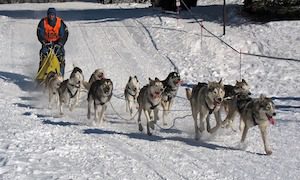
Based on its medium frame, you would immediately guess it’s a guard dog. You’d be wrong. The Siberian Husky is a sled dog, along with its relatives which include the Greenland Dog, the American Eskimo dog, the Labrador Husky, the Alaskan Malamute, and the Akita.
The history of these huskies began around 3,000 years ago in a Russian peninsula where the Chukchi people lived. The Chukchi tribe is nomadic, and they live mostly by hunting and gathering. To help them navigate through thick ice, they rely on Siberian Huskies. For this reason, Siberian Huskies are also called Chukcha dogs.
The breed arrived in North America, particularly in the United States, during the early years of the twentieth century when they competed in the All-Alaska Sweepstakes races. About 21 years later, the American Kennel Club (AKC) recognized the breed.
Siberian Husky Appearance
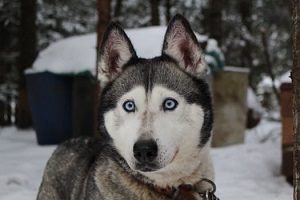
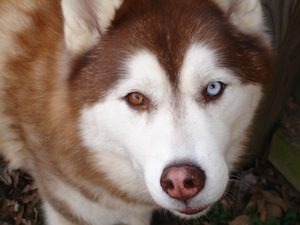
Most people think Siberian Huskies are either black or white with few markings on the heads and that they have the most gorgeous set of blue eyes. These dogs, in reality, can come in a wide variety of colors that include reddish brown (sable), cream (agouti), pale yellow to light orange (light red), dark red (copper), and gray (wolf gray). Their eyes can also be brown and some Siberian Huskies have both brown and blue eyes. Oddly, some Siberian Huskies can be parti-eyed, which means their eyes can have two colors.
They are generally medium framed and can measure up to 23 1/2 inches at the withers (female dogs can be smaller by an inch) and weigh between 35 and 60 pounds, depending on the gender. Although the body appears stocky, Siberian Huskies generally have a proportional height and weight.
One of its main features is its coat. The undercoat is dense while the top coat is smooth, making the Siberian husky really fluffy and furry.
Siberian Husky Temperament
Siberian huskies can have the loudest barks and strongest growls, but overall, they are incredibly affectionate and lovable. After all, their ancestors used to sleep with the Chukchi families, especially their kids, to help them keep warm. Yet unlike other affectionate breeds, they are independent. As they can take their independence seriously and wander, you need to be aware of where they are, especially in areas with high traffic. Siberian Huskies generally get along with other dog breeds, other animals, and other people, which means you shouldn’t expect this dog to guard your home.
Based on their ancestry, Siberian Huskies are active, alert, and agile. They are the perfect personification of endurance but because of these same characteristics, they require a lot of space to move around, making them not suitable for apartment dwelling.
Siberian Huskies are fun dogs, and they definitely love to play. But since they are independent and don’t require your engagement to be happy, they can have issues with obedience. It’s not impossible for them to go back to their original habits after training, so you need to be very patient with them and keep the training constant.
Siberian Husky Health and Grooming
The amount of hair they shed depends on the climate you’re in. If you live somewhere tropical or humid, especially during spring and summer, expect to deal with a lot of hair. However, if you live somewhere more temperate, like the Bay Area, you won’t have as much clean-up to do. No matter the climate, a Siberian Husky’s coat requires weekly grooming and daily brushing of the coat.
Siberian Huskies live an average of 12 to 15 years, but they’re not prone to a lot of health issues. Some of the common diseases that can develop among the breed usually affect their eyes such as glaucoma and progressive retinal atrophy. Bigger health issues are not common.
Siberian Husky Fun Facts
- Siberian Huskies played a huge role in treating diphtheria that struck Nome, an Alaskan village, in 1925. A team of Siberian Huskies traveled more than 600 miles in six days to get the much-needed serum from a train stop in what is now known as the Great Race of Mercy.
- One of these heroes, Balto, is now immortalized in Central Park.
- The color of their coat determines the color of their nose.
- These dogs hardly smell, and they don’t require much bathing.
Siberian huskies are not for everyone. Their self-sufficiency and independence may frustrate first-time dog owners while their size and need for large spaces may demand a more spacious dwelling. But these potential downsides pale in comparison to the sweetness, affection, friendliness, and gentleness this dog exhibits. They don’t require extensive grooming and their sense of endurance make them even more worthwhile pet companions. So don’t hesitate to rescue or adopt a Siberian Husky. You may have to put some work into training etc for a while, but the rewards for your effort will be repaid in spades.